Welcome to the
Trustworthy AI Lab
at Ontario Tech University
The Trustworthy Artificial Intelligence Lab, at Ontario Tech University, is the research lab led by Canada Research Chair, Peter Lewis.
We are an interdisciplinary lab in the Faculty of Business and Information Technology, exploring how to make the relationship between AI and society work better.
Embedding AI in society presents a complex mix of technical and social challenges, not the least of which is: as more decisions are delegated to AI systems that we cannot fully verify, understand, or control, when do people trust them?
Our approach is to work towards empowering people to make good trust decisions about intelligent machines of different sorts, in different contexts. How can we conceive of and build intelligent machines that people find justifiably worthy of their trust?
Our work draws on extensive experience in leading AI adoption projects in commercial and non-profit organizations across several sectors, as well as faculty research expertise in artificial intelligence, artificial life, trust, and computational self-awareness.
A major aim is to tackle the challenge of building intelligent machines that are reflective and socially sensitive. By doing this, we aim to build machines with the social intelligence required to act in more trustworthy ways, and the self-awareness to reason about and communicate their own trustworthiness.
News
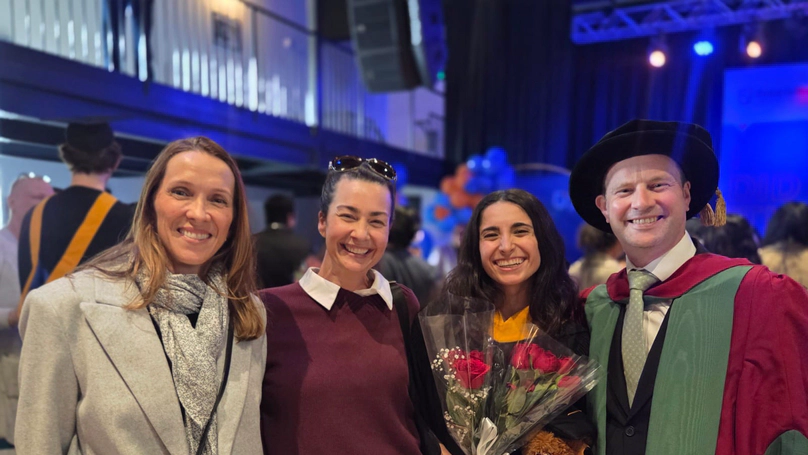
A huge congratulations to Ainaz Alavi who celebrated her MSc graduation ceremony this week!
Ainaz defended earlier this year her work on whether we should trust current machine learning based tools for bloodstain pattern analysis.
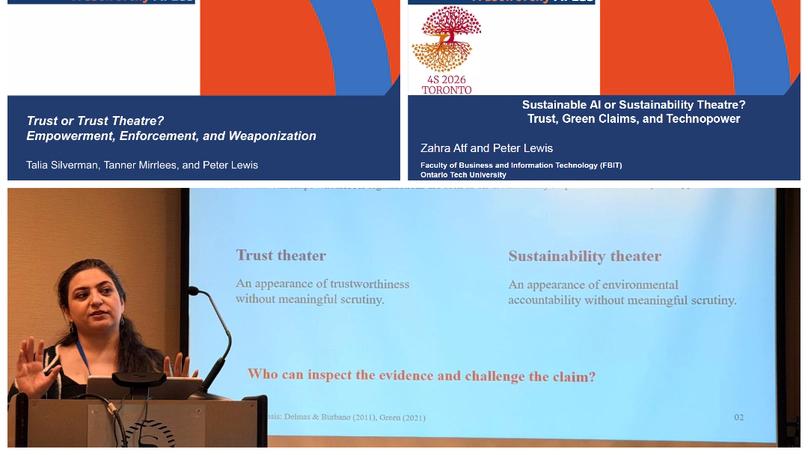
This week Zahra and Talia presented at the 50th Annual Meeting of the Society for Social Studies of Science (4S).
Both Zahra and Talia were on the TechnoPower Against TechnoPower: How STS Intervenes—and When It Gets Co-opted Panel.
Meet the Team
Faculty

Peter R. Lewis
Canada Research Chair in Trustworthy Artificial Intelligence
& Lab Director

Stephen Marsh
Professor in
Trust Systems
& Lab Co-Director

Stephen Jackson
Associate Professor
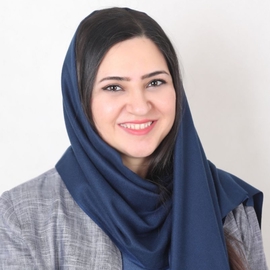
Zahra Atf
Adjunct Professor
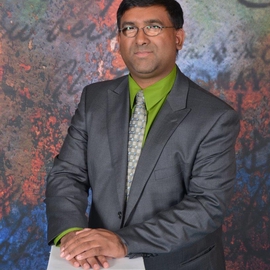
Mahadeo Sukhai
Adjunct Professor
& COO of IDEA-STEM
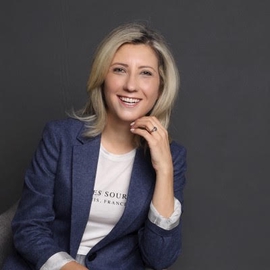
Sedef Akinli Kocak
Adjunct Professor
Postdoctoral Research Fellows
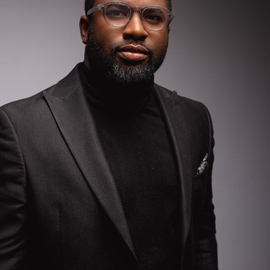
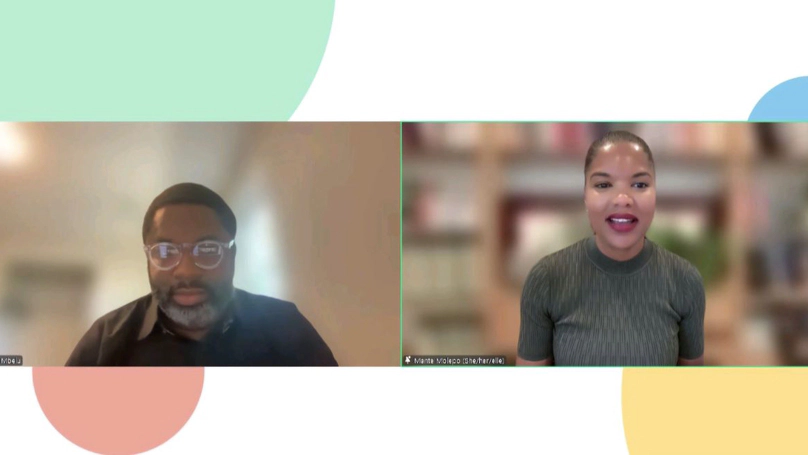
Somto Mbelu
Postdoctoral Researcher

Joelma Peixoto
Postdoctoral Researcher

Chukwunonso Henry Nwokoye
Postdoctoral Researcher
Graduate Students

Talia Silverman
PhD Student

Andrew Putman
PhD Student

John Mills
PhD Student

Nathan Lloyd
PhD Student

Tess Butler-Ulrich
Doctor of Education Student
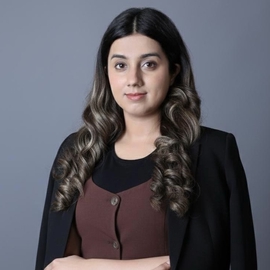
Anjali Luthra
Master’s Student

Sumant Singh
PhD Student
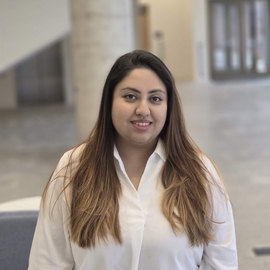
Mosarrat Rumman
PhD Student
Research Assistants and Associates
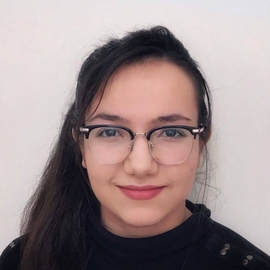
Parisa Salmani
Research Associate

Saffron Birch
Undergraduate Student Research Fellow
Visiting Researchers

Morten Haahr Kristensen
Visiting Researcher

Paula Schlemper
Visiting Researcher
Affiliates and Honorary Members
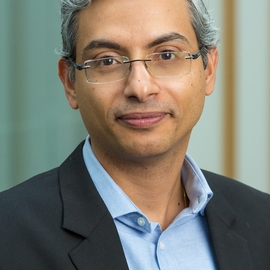
Karthik Sankaranarayanan
Faculty Affiliate
Professor, Amrita Vishwa Vidyapeetham, India
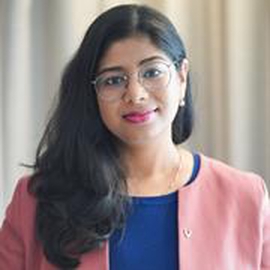
Aishwaryaprajna
Faculty Affiliate
Lecturer, University of Exeter, UK

Ştefan Sarkadi
Faculty Affiliate, Associate Professor & RAEng IC Research Fellow at CDSAI / Uni. of Lincoln
Alumni

Tosan Atele-Williams
Academic Associate
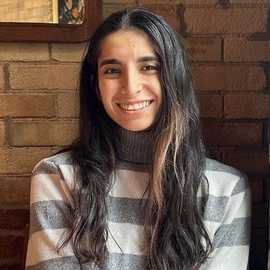
Ainaz Alavi
Master’s Student
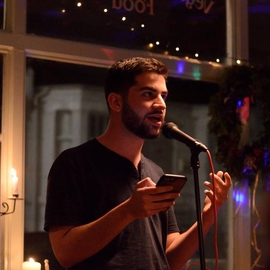
Stavros Anagnou
Visiting Researcher
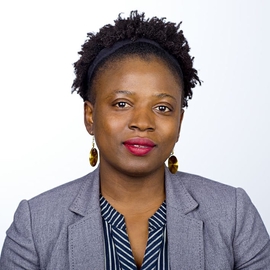
Stanard Pachong
Postdoctoral Researcher
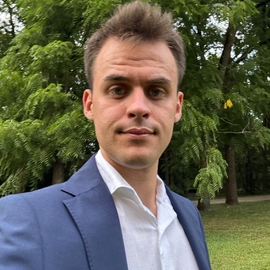
Emanuele Ugolotti
Visiting Researcher

Shaijieni Kannan
Master’s Student

Haider Saleem
Research Assistant

Nathan Tandory
Research Assistant
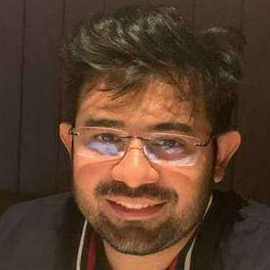
Arsh Chowdhry
Master’s Student
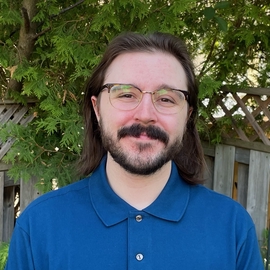
Nicholas Lee
Developer
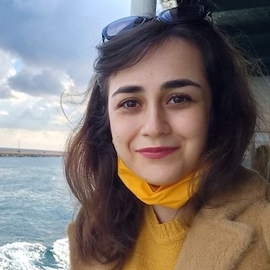
Zahra Ahmadi
Master’s Student

Aditya Ravi
Developer
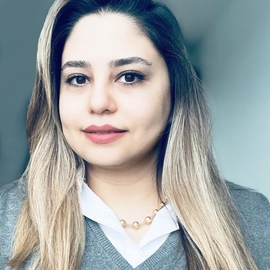
Shahrbanoo Zomorodzadeh
Master’s Student
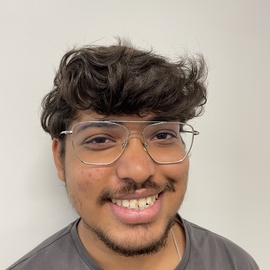
Narayan Kabra
Visiting Researcher
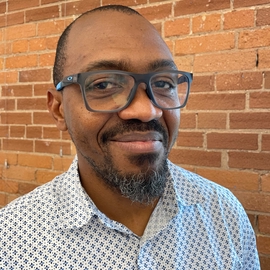
Tala Defo
Master’s Student
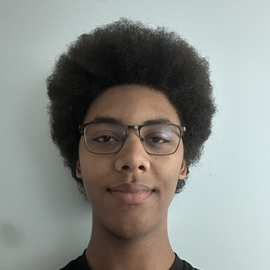
Lukas Fenkam
Research Assistant
Recent Publications
Opportunities
Work or Study with Us!
We often have opportunities to join us, typically for PhD or MSc research, as a postdoctoral researcher, or as a software developer.
For a list of current opportunities, please visit the Opportunities page.